Business continuity planning for SMEs is a short, written plan that says what your business must keep running, who does what when something goes wrong, and where your team works if the office is unavailable. A business continuity plan Abu Dhabi companies can actually use does not need to be a 100-page manual. A plan of five to ten pages, tested once a year, is more useful than a long document nobody has read.
This checklist is written for owners and managers of ADGM-licensed and ADGM-connected small businesses. It covers the business impact analysis, an office continuity plan, a remote work contingency plan, records and data, the ADGM address and lease, and how to test it all. The guidance is general business practice, not a legal requirement for any particular licence.
Why should Abu Dhabi SMEs plan for disruption?
Business disruption preparedness in the UAE is a core part of small business risk management in the UAE. For a small team, most of the work is deciding in advance what to protect first and who acts, which costs time rather than money.
Disruption in the UAE is usually short and practical rather than catastrophic: severe weather, a power or internet outage, a building access problem, a key supplier failing, or a key person unavailable. Abu Dhabi has shown how routine this has become. During adverse weather, the emirate has issued remote-work directives for government entities and companies, excluding roles that need physical presence at the workplace. A business with a ready plan can switch quickly. One without a plan spends the first day improvising.
The UAE also has a national standard for this work. NCEMA 7000, issued by the National Emergency Crisis and Disasters Management Authority, sets out a business continuity management system and closely follows the international standard ISO 22301. A small business does not need certification to benefit from the same structure: understand what matters, plan for losing it, and test the plan.
The business continuity checklist for SMEs
1. List what must keep running (business impact analysis)
Write down your five to ten critical activities, such as client delivery, invoicing, payroll, regulatory filings, and customer support. For each, note how long the business could survive without it. That number is your recovery time objective. Payroll may tolerate two days; client-facing work may tolerate two hours. These answers decide where money and effort go.
2. Name people and roles
Assign a plan owner and a deputy. Keep a contact list with mobile numbers, personal email addresses, and a second channel such as a messaging group, stored somewhere that does not depend on the office network. Decide who can authorise a switch to remote work and who speaks to clients.
3. Prepare an office continuity plan
An office continuity plan answers one question: if the office is unavailable tomorrow, where does the team work? Cover building access problems, power or internet loss, and a longer closure. Identify an alternate site in advance, confirm that key people can reach it, and keep what they need portable: laptops, chargers, and access to your systems. Workplace contingency planning also means deciding which roles genuinely need to be on site and which do not.
4. Set up a remote work contingency plan
A remote work contingency plan only works if it was tested before the emergency. Check that every employee has a company laptop or approved device, multi-factor authentication on accounts, access to files in a cloud or backed-up location, and a way to take calls and join meetings. Agree on a communication routine for disruption days, such as a morning check-in and one place for updates.
5. Protect data and records
Back up business-critical files and test restoring them. ADGM-licensed companies that handle personal data have security obligations that apply wherever staff work, as covered in our article on workspace type and ADGM data protection obligations. Keep a list of where records live, who can access them, and how they are recovered.
6. Map suppliers and dependencies
List the providers you cannot work without: internet, cloud software, bank, payroll, accountant, landlord or workspace provider. Record support contacts and what you would do if each failed. A second internet connection or a mobile hotspot is a low-cost fallback that many small teams skip.
7. Secure your ADGM address and lease
For an ADGM company, the registered address and lease are part of continuity. Know your lease end date, and start renewal early: AccessRP allows tenancy renewal up to 90 days before expiry, as explained in our AccessRP lease registration guide. Keep the registered lease confirmation with your compliance records, so a licence renewal or bank review is not delayed by a missing document.
8. Plan the money side
Estimate how many weeks of fixed costs you can cover if revenue stops. Check what your insurance covers and what it excludes, and keep copies of policies where you can reach them offline. Business recovery planning starts with knowing your runway.
9. Test, then review
Run a short walk-through twice a year: pick a scenario, read the plan aloud, and see what breaks. Once a year, run a real test, such as a full remote-work day. Update the plan after any change in staff, systems, or office.
Scenario quick reference
| Scenario | First response | Fallback |
|---|
| Severe weather or travel disruption | Switch roles that can work remotely to home working | Reduce meetings, reschedule non-urgent client visits |
| Power or internet outage at the office | Move to mobile hotspot or a second connection | Relocate the team to an alternate workspace |
| Building access issue | Notify the building or workspace manager and the team | Use a day pass or meeting room at another location |
| Key person unavailable | Hand over to the named deputy | Use documented procedures and external advisers |
| Laptop lost or stolen | Lock or wipe the device remotely | Issue a spare and restore from backup |
How can coworking in Abu Dhabi support your continuity plan?
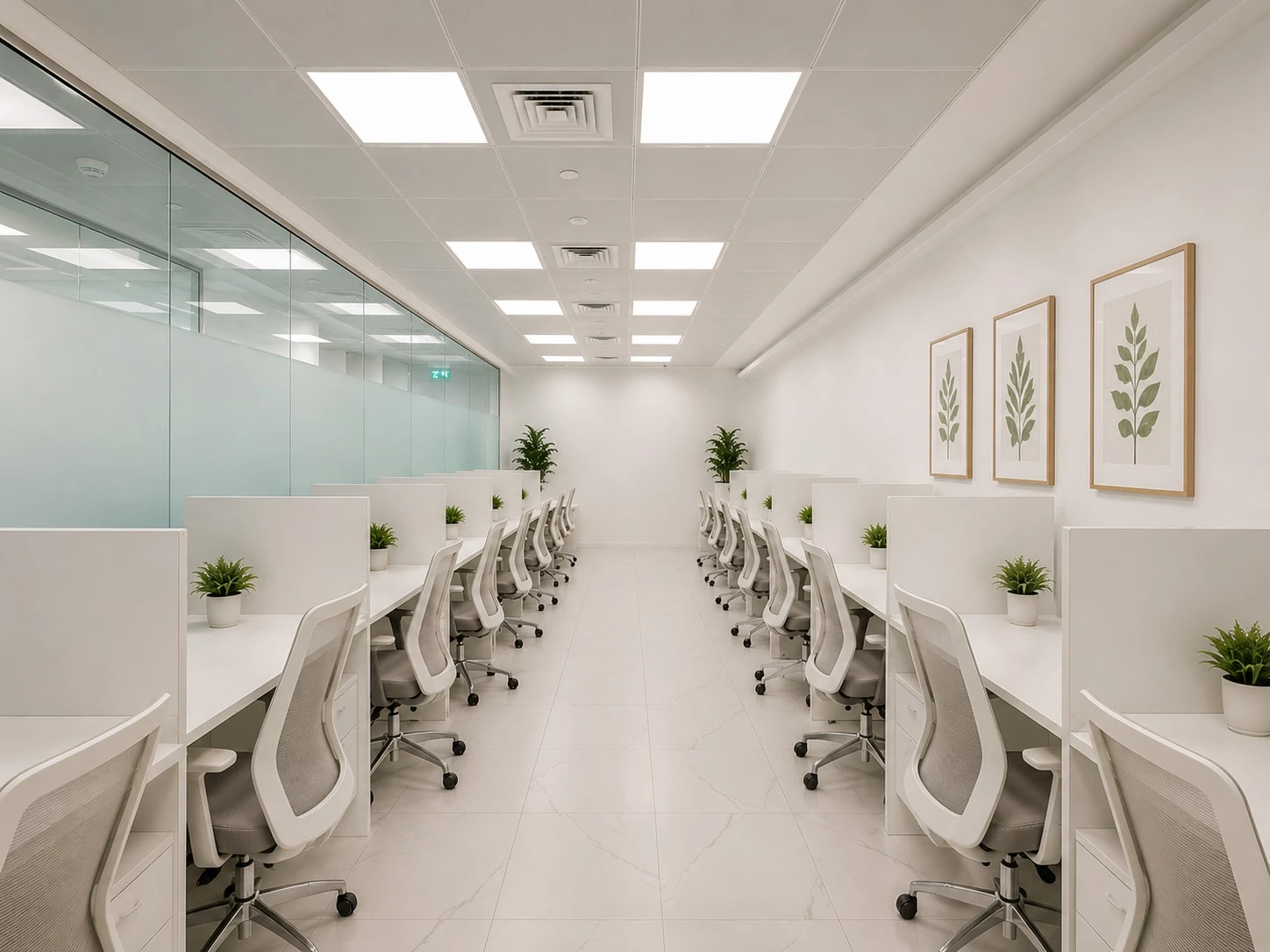
Flexible workspace gives a small company an alternate site without a second lease, and a coworking Abu Dhabi membership or day pass can be set up as a standing fallback. If your main office has a problem, a desk, a meeting room, or a day pass at another location lets the team keep working. Coworking in Abu Dhabi is most useful to a continuity plan when the arrangement is agreed before the emergency, not during it.
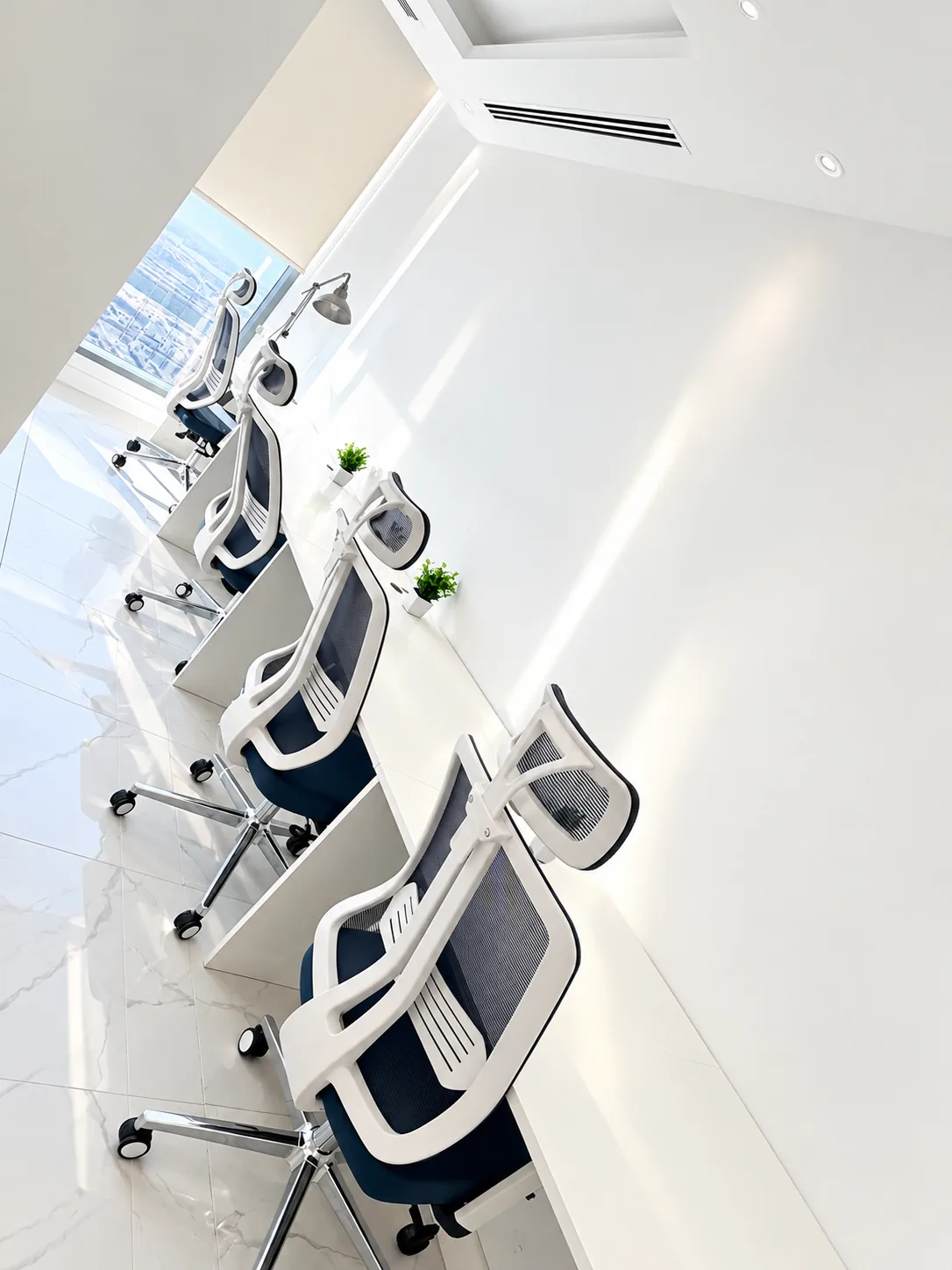
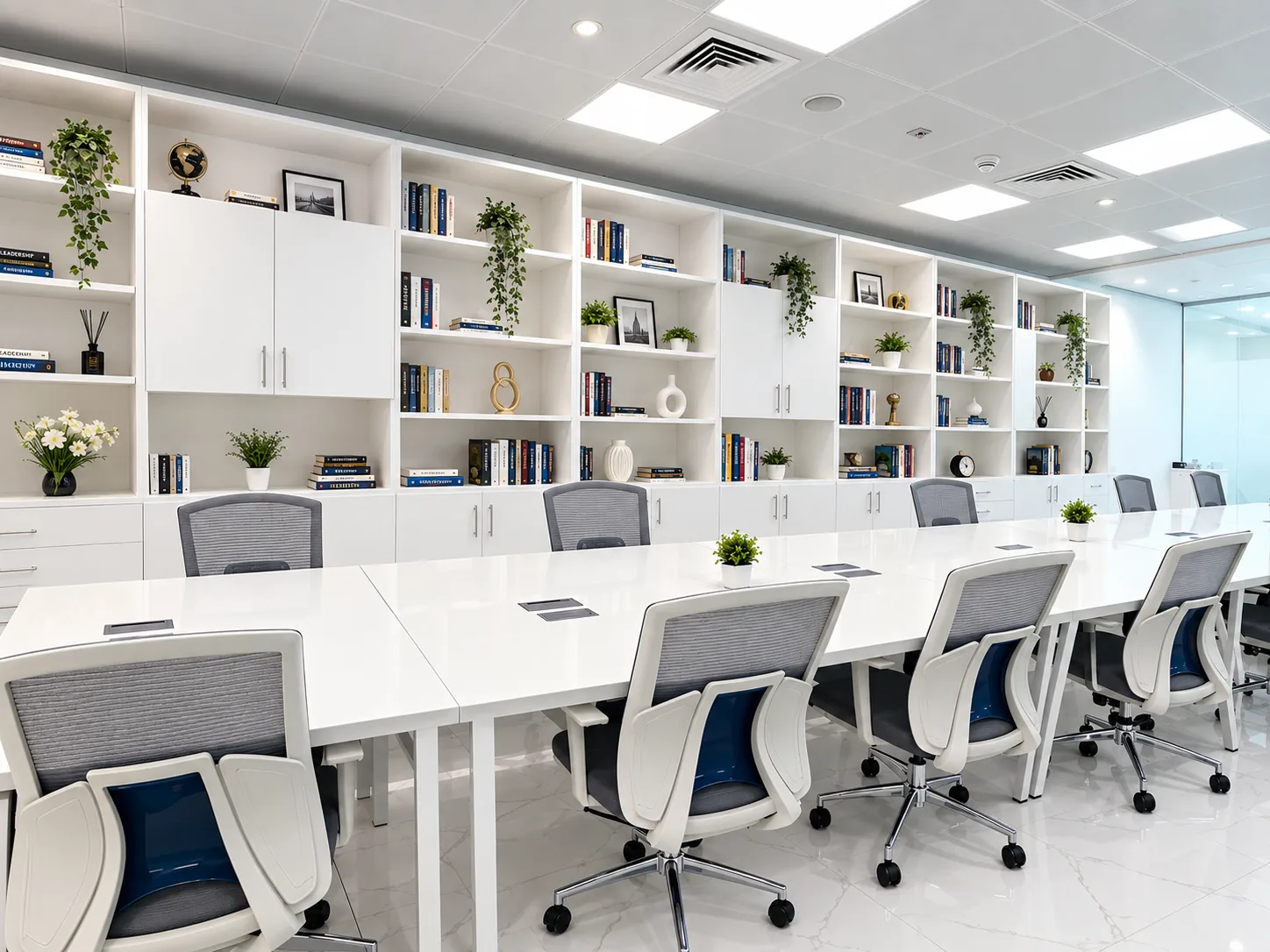
For ADGM businesses, the location matters. Aegis Coworking operates from Addax Tower, listed by property portals as Addax Office Tower, on Al Reem Island inside ADGM's jurisdiction. Members have 24/7 access, and options run from hot desks and dedicated desks to private offices and meeting rooms. A day pass costs AED 100 for 9 AM to 6 PM or AED 150 for 24 hours, which suits a team that needs a fallback location for a few days. See the pricing page for current rates.
When you assess any alternate workspace, ask about power and connectivity arrangements, access hours, how many people it can seat at short notice, and whether a visitor or day-pass booking can be made quickly. A fallback seat does not replace your registered ADGM lease, which stays tied to your licence.
What goes into a one-page plan?
- Plan owner, deputy, and contact list
- Critical activities and recovery times
- Alternate workspace and how to reach it
- Remote work steps and tools
- Key suppliers and support numbers
- Where backups and records are stored
- Lease end date and renewal reminder
- Date of last test and next review
Frequently asked questions
What is business continuity planning for SMEs?
It is a written plan that identifies the activities a small business must keep running, assigns responsibilities, and sets out where and how the team works if normal operations are disrupted.
Is a business continuity plan mandatory in the UAE?
The UAE has a national standard, NCEMA 7000, for business continuity management. Whether a plan is required for your business depends on your sector, regulator, and client contracts, so check the obligations that apply to your licence. Even where it is not required, the plan protects revenue and clients.
What is the difference between an office continuity plan and a remote work contingency plan?
An office continuity plan covers loss of the physical workplace and names an alternate site. A remote work contingency plan covers how staff work from home or elsewhere, including devices, security, and communication.
How often should a small business test its plan?
Walk through a scenario twice a year and run a full test, such as a remote-work day, once a year. Update the plan whenever staff, systems, or premises change.
Does a coworking space replace a continuity plan?
No. A coworking space can serve as an alternate site, but the plan still needs roles, data backups, supplier contacts, and tested procedures.
The short version
Identify what must keep running, name who does what, decide where the team works if the office is unavailable, back up your data, and secure your ADGM lease. Then test it. If you want to discuss a fallback workspace or a permanent base in Addax Tower, get in touch with Aegis Coworking.